

A cleaning specification is the document that turns “keep the office clean” into a list of tasks that can be checked. It says which areas are covered, what is done in each one, how often, who supplies the materials, and how the contractor gets in when the building is empty. Without it, both sides are working from memory. This page sets out what a good specification contains, so that a facilities or office manager can write one or read a contractor’s draft with a critical eye.
Start with a list of areas
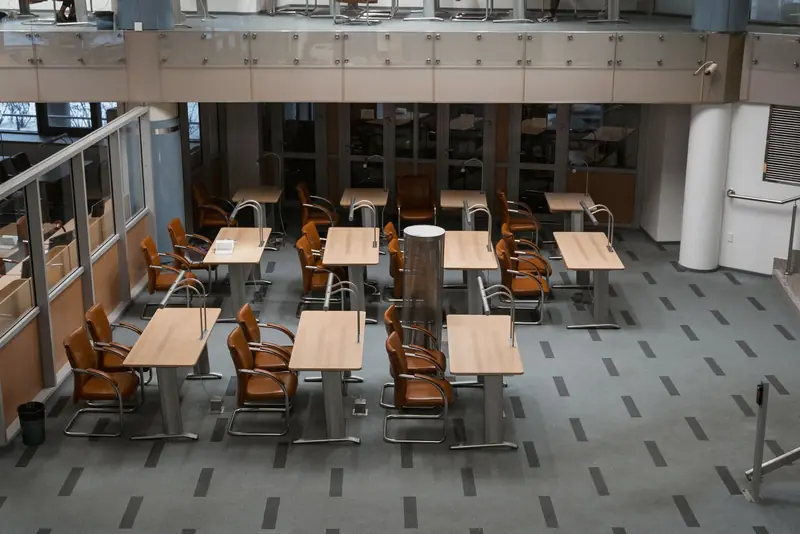
Walk the building and write down every space the cleaners will enter. Open-plan floors, cellular offices, meeting rooms, reception, kitchens and tea points, toilets, stairwells, lifts, corridors, stores and plant rooms if they are to be included. Note anything that needs different handling: a server room that must not be mopped, a boardroom with a polished table, a first-floor kitchen with no water supply nearby.
Areas that are excluded should be written down as clearly as those that are included. A locked archive or another occupier’s floor is easier to leave out on paper than to argue about later.
Tasks and frequencies
Against each area, the specification lists the tasks and how often each one is carried out. Most office contracts divide the work into four bands.
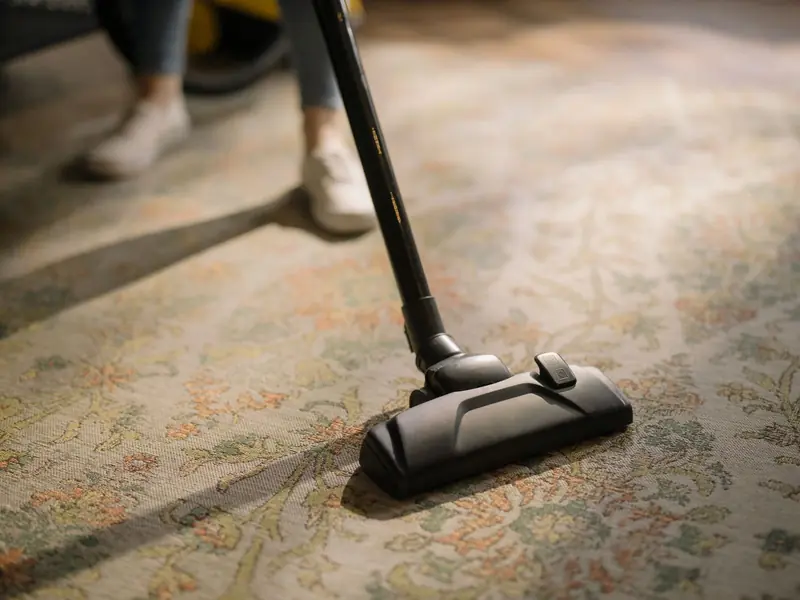
- Daily: emptying bins and replacing liners, vacuuming traffic lanes and carpeted areas, damp-mopping hard floors, wiping desks that have been cleared, cleaning and sanitising toilets and washbasins, restocking soap and paper, wiping kitchen worktops and sink areas.
- Weekly: vacuuming under desks and along edges, dusting skirting and window sills, cleaning internal glass in doors and partitions, wiping door furniture and light switches, sanitising telephones and keyboards.
- Monthly: high dusting of ledges, pipework and the tops of cabinets, cleaning vents and grilles, washing bins, spot-cleaning walls and doors.
- Periodic: carpet cleaning, hard-floor stripping and re-sealing, internal window cleaning, deep cleaning of kitchens, usually scheduled once or twice a year.
Frequencies should reflect how the building is used. A reception that sees visitors all day needs more attention than a records room that is opened once a week. Olivers builds each programme to an agreed specification and schedule, and a common early conversation is about where daily effort is being spent that would be better moved to a busier area.
Consumables and equipment
The document should say who supplies what. Toilet paper, hand towels, soap, bin liners and sanitiser are normally bought by the contractor and charged on, or bought by the client and left in a store cupboard. Either works, but it needs writing down, along with where stock is kept and who checks levels.
Cleaning products, cloths, mops, vacuum cleaners and any machinery are the contractor’s responsibility. The specification can require that products are used in line with COSHH regulations and that data sheets are held on site. Olivers cleaners are trained to COSHH requirements for each building they work in, and the products, materials and equipment used are the firm’s own, supplied and maintained by the firm.
Hours of work and access
Most office cleaning happens before or after the working day. The specification states the window in which cleaning takes place, for example between six and nine in the evening, and how the cleaners get in. This might be a keyholder arrangement, a fob or code, or a security desk that signs staff in.
If the contractor holds keys, the document should say who holds them, how they are stored, and what happens if a key is lost. Alarm codes, locking-up procedures and which lights are to be left on are small points that cause trouble when they are not written down.
Staffing and continuity
A specification can set out how many cleaner-hours are allocated per visit and whether the same people attend each time. Staff continuity matters more than it first appears: a cleaner who knows the building knows which door sticks, which desk belongs to someone who likes it left alone, and where the hand towels are kept. Olivers employs every cleaner directly rather than through an agency, and places cleaners who live locally to each site, which is what makes a stable team on a contract possible.
Auditing and reporting
The final section describes how standards are checked. A typical arrangement is a monthly inspection of a sample of areas against the specification, scored and recorded, followed by a meeting between the client’s contact and the contractor. Items falling short are logged with a date for putting right, and the record is reviewed at the next meeting.
Olivers runs monthly client meetings on every contract, with auditing and reporting on standards as the agenda. The habit of looking at the building together every month is what keeps the programme matched to how the office is used.
Keeping the document alive
A specification written at the start of a contract and never opened again is of limited use. Offices change: teams move, a kitchen is refitted, a floor is sublet. The document should be reviewed at the monthly meeting and amended when the building changes, so that what is written down matches what is being done.
The office cleaning page explains how a contract is set up, from the site survey through to the first agreed specification and schedule.