Most carpets are pulled up because they look tired, not because they have worn through. Carpet Cleaning with hot water extraction and the right care for the fibre often brings back a carpet that seemed finished, in homes and commercial premises across the area we serve.
The Quick Answer
- When a professional clean is worth it and when it is not
- Why wool and over-wetting need care during any clean
- The warning signs that vacuuming has stopped keeping up
- Sensible cleaning frequency for bedrooms, family rooms and busy offices
- Which carpet care jobs are safe to do yourself between cleans
We have been cleaning since 1966, a family firm now in its fourth generation, and every cleaner is our own employee. From routine carpet cleaning to carpet cleaning in Hemel Hempstead offices and homes, the same people and the same methods do the work.
Ask Olivers Cleaning Contractors Ltd for a free quote anywhere in the area we cover, before another season of grit works deeper into your pile.
Is it worth getting carpets professionally cleaned?
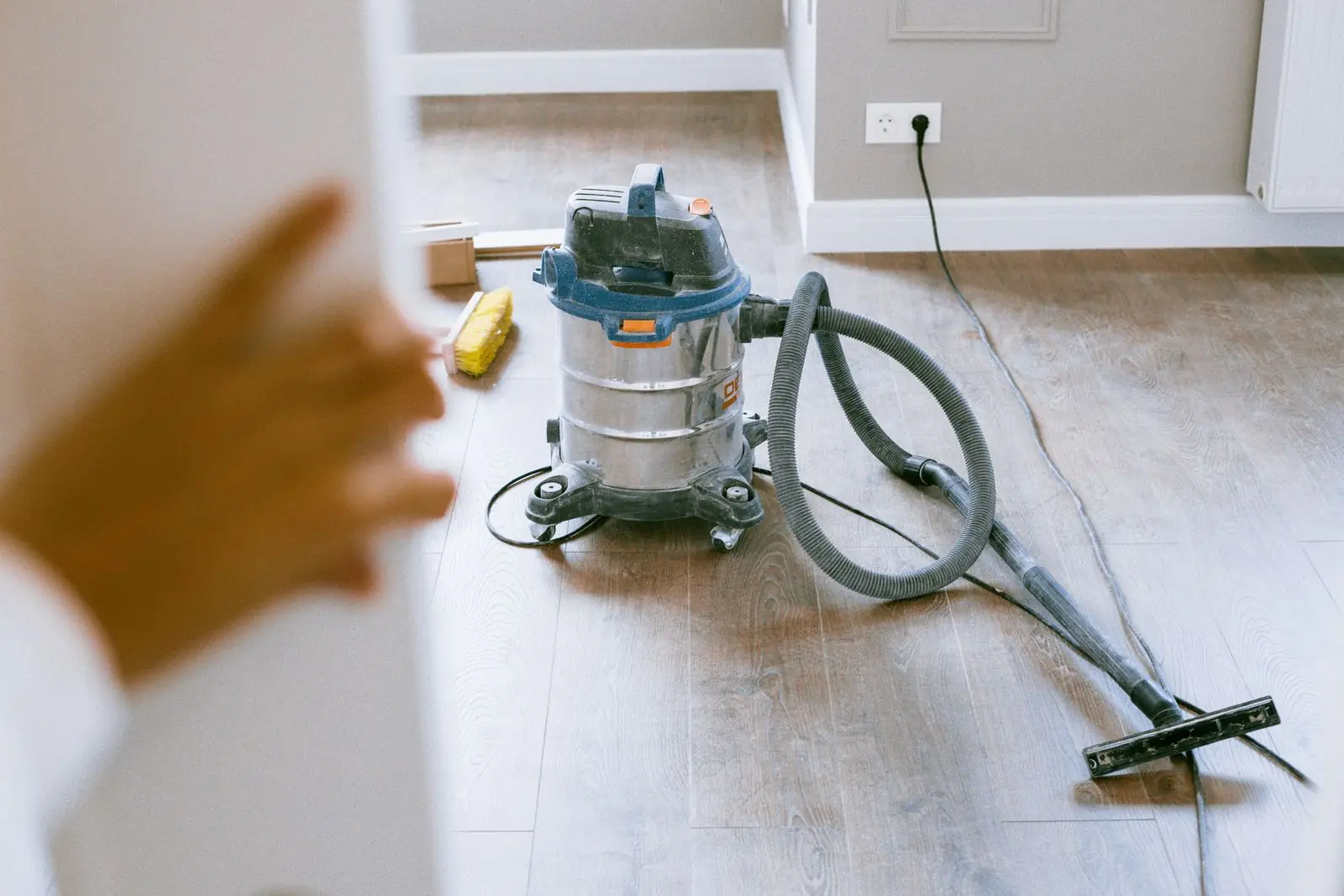
Yes, for most carpets it is worth getting them professionally cleaned once a year or so, because hot water extraction lifts the ground-in grit, dust mites and residue that vacuuming leaves behind, which slows wear on the carpet fibres. It is less worth it for cheap, nearly worn-out carpet or a single fresh spill you can blot yourself.
Tell Olivers Cleaning Contractors Ltd which rooms are wearing first, and we will send a free quote for a Prochem extraction clean by our own cleaners.
The standards and safety points that matter
A carpet works like a filter. It catches dust particles, grit from shoes and spills, and most of that sinks below the reach of a domestic vacuum. Grit is the quiet problem: it sits at the base of the pile and cuts the carpet fibres every time someone walks over it, which is why traffic lanes wear out first. Getting that grit out with a deep clean is the main reason professional carpet cleaning extends carpet lifespan.
How the clean is done matters as much as whether it happens. These are the points we hold to on every job:
- Check the fibre first. Wool and wool blends react differently from synthetics to heat and chemicals, and can shrink or discolour if mistreated, so the manufacturer's care label comes first.
- Control the water. Over-wetting soaks the backing and underlay, slows drying and is the usual cause of mould growth and stale smells after a clean. Hot water extraction recovers most of what it puts down.
- Handle chemicals safely. Our cleaners are trained to COSHH Health and Safety Regulations, which govern how products are stored, mixed and used around people, children and pets.
We use Prochem hot water extraction machines for exactly this reason. The standard is the same for a single living room as for the offices and schools that need carpet cleaning in St Albans.
A word of honesty on health. An extraction clean removes much of the dust mite debris, bacteria and allergens held in the pile, and many allergy sufferers notice the difference. It is not a cure, and the benefit fades as the carpet fills again, which is why routine maintenance between cleans matters.
Signs your carpets are due a proper clean
Most carpets tell you when vacuuming has stopped keeping up. The common signs:
- Traffic lanes in hallways and doorways look grey or darker than the edges of the room.
- The pile has flattened and matted where people walk most.
- A musty or stale smell hangs about even after vacuuming.
- Pet odours come back on warm or damp days.
- Stains you removed reappear a few days later, a sign the spill reached the backing and is wicking up.
- Allergy symptoms seem worse indoors than out.
- You are moving in or out, or the carpet has been through building or decorating work.
Cleaning frequency depends on how hard a carpet works. As a rough guide, a quiet bedroom may manage a year or two between deep cleans, a family room with children or pets about once a year, and a busy hallway, office, pub or school more often. Commercial carpets do best on a schedule rather than waiting until they look tired.
If none of these signs apply and the carpet is cheap or nearly finished anyway, a professional clean may not pay for itself, and that is a fair decision to make. Where the carpet is good quality or has plenty of life left, cleaning it is almost always cheaper than replacing it early.
What you can do yourself, and where we take over
Plenty of carpet care is yours to do, and doing it well stretches the gap between professional cleans.
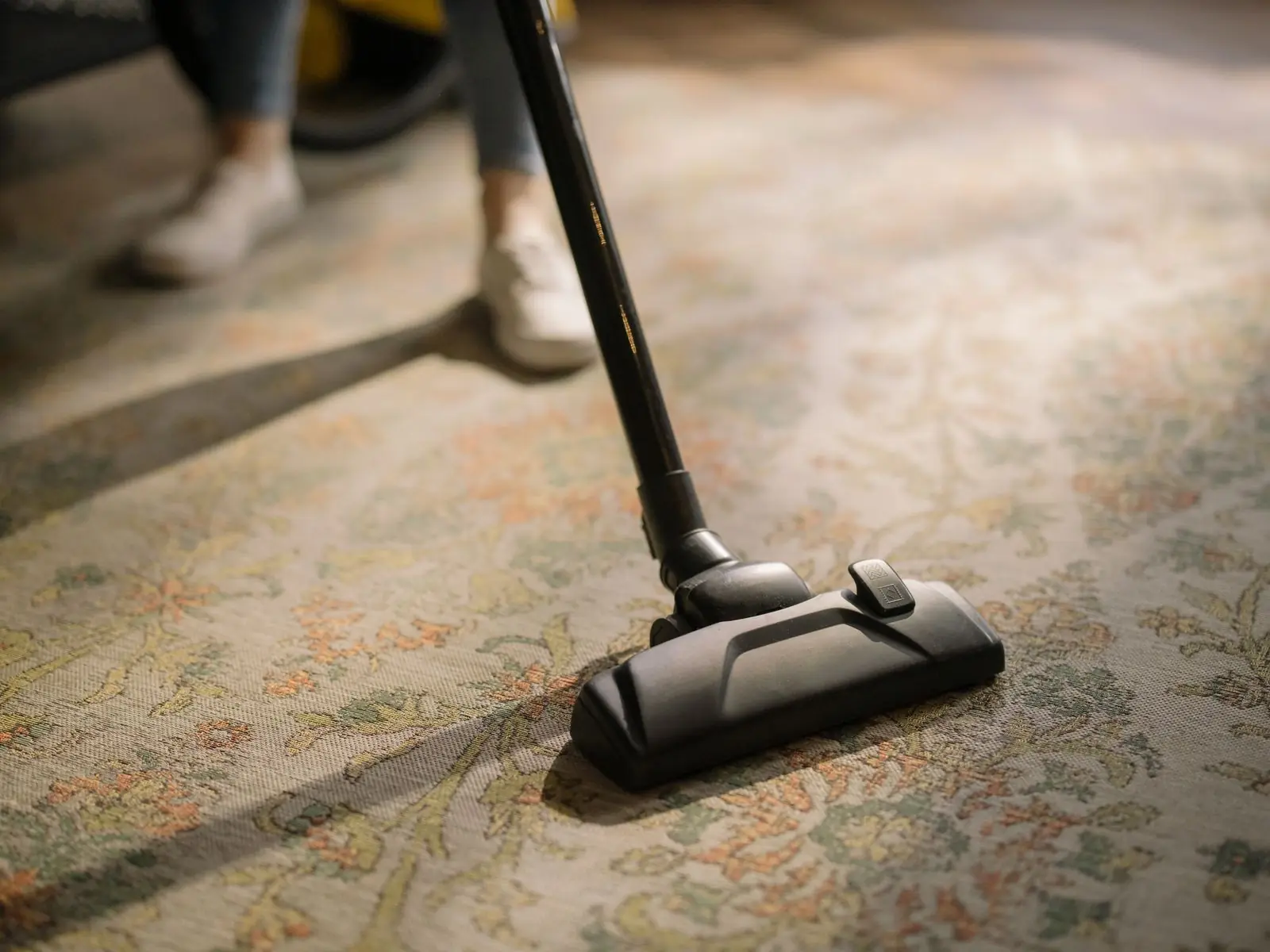
- Vacuum often. Busy areas benefit from vacuuming several times a week, slowly and in both directions, to lift grit from the base of the pile.
- Blot spills at once. Use a clean white cloth and work from the outside in. Rubbing spreads the stain and frays the fibres.
- Put mats at the doors. Most of the grit that wears a carpet arrives on shoes.
- Go easy with shop products. Too much spot cleaner leaves a residue that catches dirt and makes a fresh mark.
Hired machines tend to put down more water than they recover, so over-wetting is a real risk, especially on wool. A professional extraction clean earns its keep on stubborn stains, pet accidents that have reached the underlay, wool and delicate carpets, whole-house cleans and commercial premises where downtime needs planning.
When we do that work, it is done by our own employees, never agency staff, using Prochem extraction and professional stain removal. Seventy years as a family firm, now in its fourth generation, has shown us that carpets cleaned on a sensible schedule outlast those left until they look beyond saving.
Tell Olivers Cleaning Contractors Ltd which rooms are wearing first, and we will send a free quote for a Prochem extraction clean by our own cleaners.